

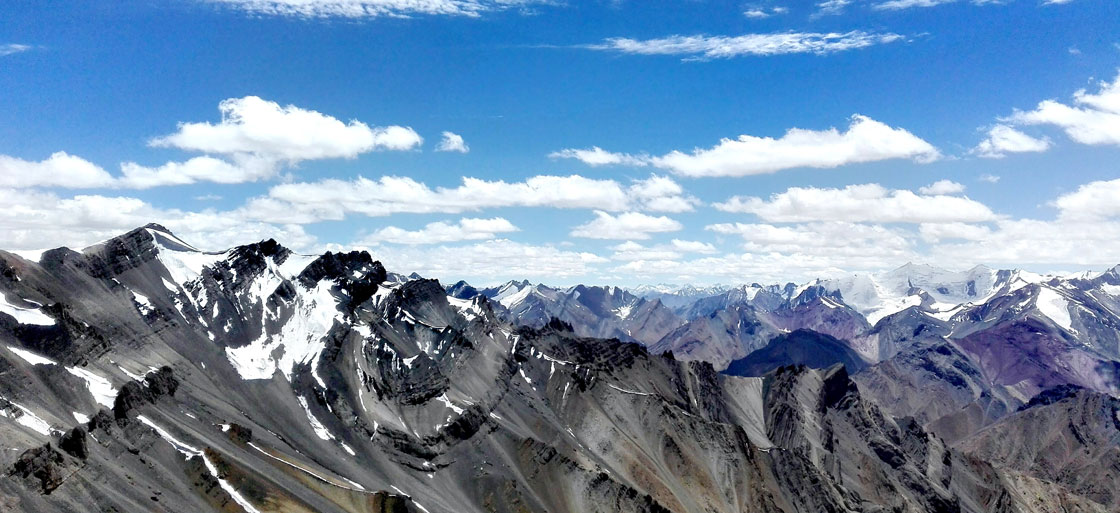

Trek Overview: Kanji to Stongday via Dibling
The Kanji to Stongday Trek via Dibling is one of the most rewarding and remote high-altitude trekking routes in Ladakh and Zanskar. This extraordinary journey takes you deep into the pristine wilderness of the western Himalayas, crossing legendary high passes, following turquoise rivers through hidden gorges, and passing through some of the most secluded Buddhist villages on Earth. For those who seek to truly get off the beaten track, this trek offers an unmatched combination of natural grandeur and living Himalayan culture.
Beginning in Kanji village in the Leh District, the route traverses the formidable Kanji La Pass (5,271m) and the Pikdong La Pass (5,029m) before descending into the magical valley of Dibling - one of the most remote and photogenic villages in all of Ladakh. From Dibling, the trail follows the milky-white Oma Chu river through a series of lush valley floors, gorges, and river crossings, eventually bringing trekkers to the ancient cliff-top Stongday Monastery on the banks of the Zanskar River.
Why Choose the Kanji–Dibling–Stongday Route?
This trek is ideal for experienced trekkers seeking genuine wilderness and cultural immersion. Here is what makes it truly special:
- True off-the-beaten-track adventure - minimal trekker traffic, unspoilt landscapes, and authentic village encounters
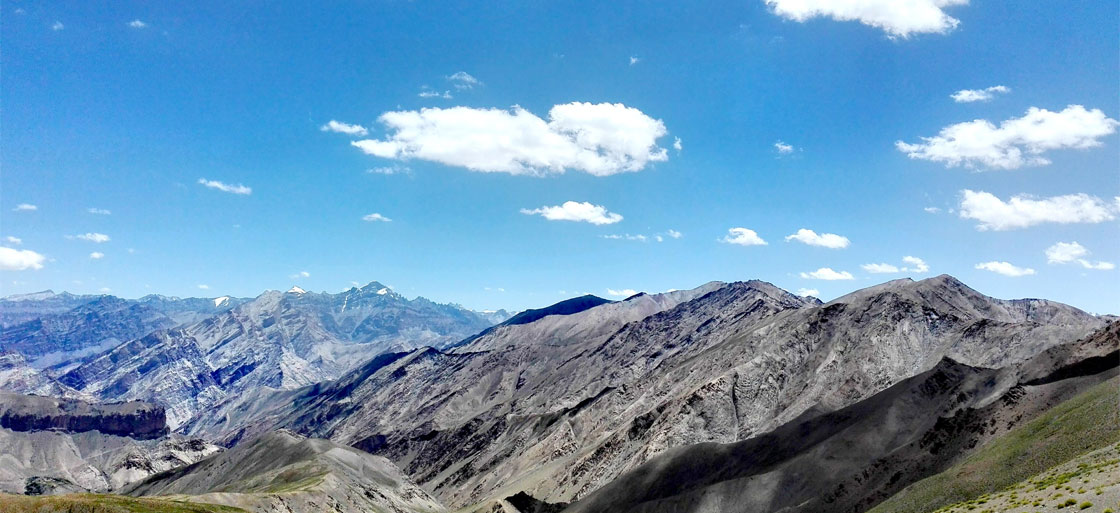
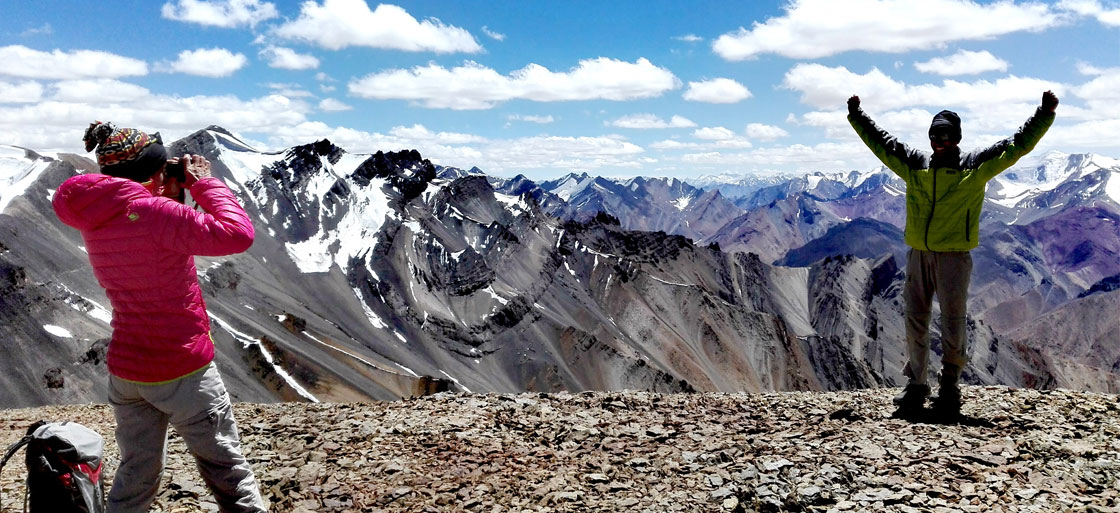
- Spectacular high passes - Kanji La (5,271m) and Pikdong La (5,029m) offer breathtaking 360° views of the Zanskar, Ladakh, and Great Himalayan Ranges, including glimpses of Nanga Parbat and K2 on a clear day
- Dibling village - a timeless, whitewashed settlement of approximately 14 households with a beautifully preserved Yellow Hat (Gelugpa) monastery perched above the valley; very few western visitors reach this gem
- Rich Buddhist heritage - the route passes or visits several important monasteries including Lingshed Gonpa, Zangla Fort, Karsha Gonpa, and the clifftop Stongday (Stongde) Monastery
- Wildlife encounters - the high passes and valley floors offer excellent chances to spot blue sheep (bharal), marmots, Himalayan foxes, and occasionally snow leopards
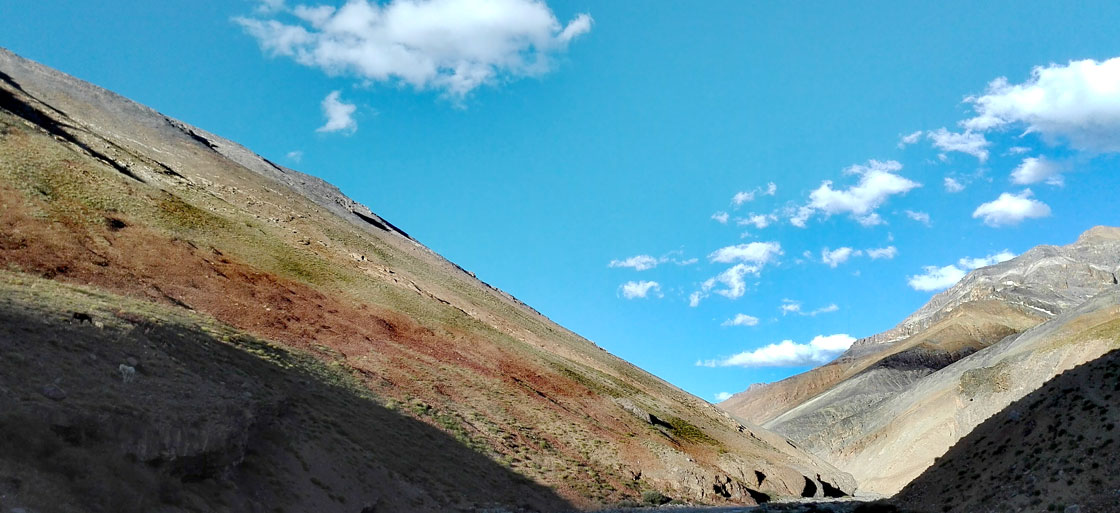
- Diverse terrain - canyon gorges, glacial moraines, river crossings, open meadows, and high-altitude pastures (doksa) ensure every day is visually different
Day-by-Day Trek Itinerary
The following is a representative itinerary for the Kanji to Stongday trek via Dibling. Daily stages can be adjusted based on your group's fitness, weather conditions, and acclimatisation needs. All camping arrangements are made by our expert crew.
| Day | Stage | Altitude | Duration |
|---|---|---|---|
| Day 1 | Arrive Leh – Rest & Acclimatise | 3,500m | – |
| Day 2 | Leh Acclimatisation – Visit Shanti Stupa, Leh Palace & local bazaar | 3,500m | Sightseeing |
| Day 3 | Drive Leh to Kanji village | 3,850m | ~4 hrs drive |
| Day 4 | Kanji to Kanji La Base Camp | 4,300m | 5–6 hrs |
| Day 5 | Cross Kanji La (5,271m) → Kanji Sumdo | 4,370m | 7–8 hrs |
| Day 6 | Kanji Sumdo to Pikdong La Base Camp | 4,400m | 5–6 hrs |
| Day 7 | Cross Pikdong La (5,029m) → Dibling Doksa | 4,200m | 6–7 hrs |
| Day 8 | Trek to Dibling Village – explore monastery & village life | 4,000m | 2–3 hrs |
| Day 9 | Dibling to Lingshed Sumdo via Oma Chu River | 3,680m | 7–8 hrs |
| Day 10 | Cross Barmi La (4,694m) → Lanang | 3,900m | 7–8 hrs |
| Day 11 | Cross Hanuma La (4,700m) → Zingchen | 3,370m | 7 hrs |
| Day 12 | Cross Parfi La (3,900m) → Hanamur | 3,400m | 6 hrs |
| Day 13 | Trek to Pidmo → Pishu → Zangla River Camp | 3,420m | 6–7 hrs |
| Day 14 | Zangla – visit Zangla Fort & drive to Padum (resupply) | 3,500m | Drive |
| Day 15 | Drive Padum → Trek to Stongday Monastery & camp | 3,630m | Easy half-day |
| Day 16 | Drive or trek return to Leh via Kargil / Rangdum | – | Full day |
🏔️ Important Trek Notes
- Best season: Mid-August to end of September. Rivers are too high and dangerous before mid-August, especially between Dibling and Lingshed Sumdo.
- Minimum fitness: Good physical condition is essential. Previous high-Altitude trekking experience above 4,000m is strongly recommended.
- Acclimatisation: A minimum of 2 full days in Leh before trekking is mandatory to avoid Acute Mountain Sickness (AMS).
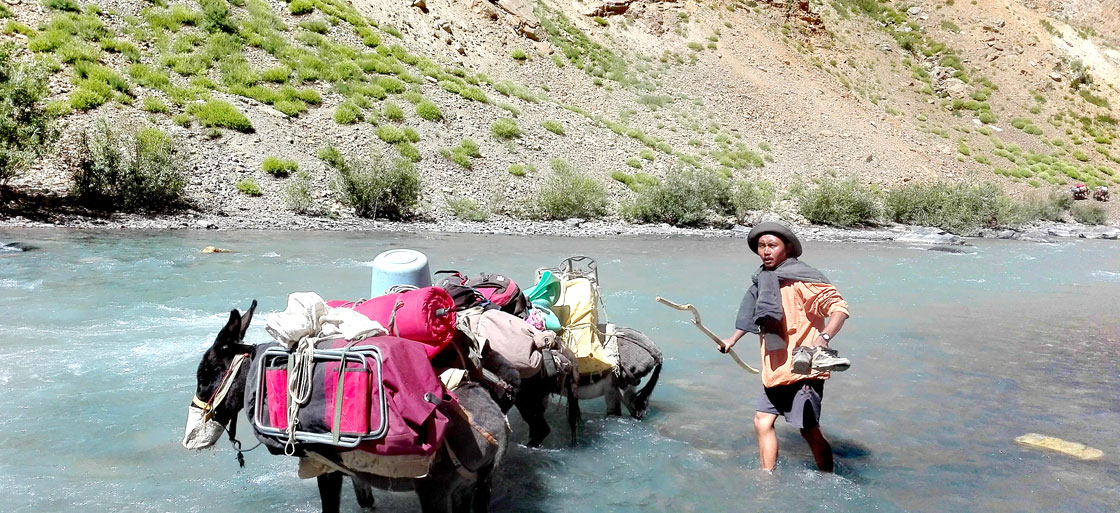
- River crossings: Multiple river crossings are involved, some requiring wading knee-deep. Water sandals or trekking poles are highly recommended.
- Permits: Inner Line Permits are required for some restricted zones along this route. We arrange all necessary permits.
- Group size: This trek is suitable for small groups of 2–12 trekkers for a more authentic experience.
What's Included & Excluded
✔ Included
- All ground transport, Leh to Leh
- Leh airport transfers & Leh sightseeing
- Experienced local English-speaking trekking guide
- Cook & support camp crew
- Mules/horses for luggage porterage
- 4-season camping tents, sleeping bags & foam mattresses
- All meals during trek (bed tea, breakfast, packed lunch, 3-course dinner)
- Camping fees & trekking permits
- First aid medical kit & oxygen cylinder
- GST & applicable government taxes
✘ Excluded
- International/domestic flights to Leh
- Travel & medical/evacuation insurance (mandatory)
- Personal trekking gear & clothing
- Hotel accommodation in Leh (available on request)
- Personal expenses, tips & gratuities
- Alcoholic beverages
- Emergency helicopter evacuation costs
Key Highlights Along the Route
🏔️ Kanji La Pass (5,271m)
The crown jewel of this trek, the Kanji La is a challenging but supremely rewarding crossing. On a clear day, trekkers are rewarded with sweeping panoramas encompassing Nanga Parbat (8,126m) to the west, glimpses of K2 to the north, and the mighty Nun (7,135m) and Kun (7,077m) peaks of the Zanskar range. The ascent involves tricky sections on loose rock and a small glacier just below the summit.
🏡 Dibling Village – Ladakh's Hidden Gem
Dibling is one of the most enchanting and least-visited villages in all of Ladakh. Home to approximately 14 families, this whitewashed settlement sits in an open valley watered by the Oma Chu (meaning "milk water"). The village Gompa, a Yellow Hat (Gelugpa) monastery dedicated to Shakyamuni Buddha, Chenrezig, and Maitreya, sits on a ledge above the terraced barley fields. Arriving here during harvest season (August–September) means witnessing traditional Ladakhi agricultural life completely unchanged by modernity - villagers bundle barley, dry fodder on rooftops, and greet trekkers with genuine warmth.
🛕 Stongday (Stongde) Monastery
The dramatic finale of this trek, Stongday Monastery perches magnificently on a rocky promontory above the Zanskar River, offering breathtaking views of the entire Central Zanskar valley. Dating back to the 11th century, this ancient Gelugpa monastery is home to resident monks and houses remarkable thangka paintings and butter sculptures. Camping beside the monastery at dusk, with the Zanskar River glinting below and the monastery illuminated against the twilight sky, is an experience that defines why serious trekkers choose Zanskar over more commercialised routes.
🦌 Wildlife & Natural Environment
The high-altitude terrain traversed on this route is prime habitat for Himalayan wildlife. Trekkers frequently spot colonies of marmots sunning themselves on rocks, blue sheep (bharal) on the cliff faces, Himalayan foxes in the valley floors, and - with luck - elusive snow leopards. The skies above the passes are patrolled by lammergeier (bearded vultures) and golden eagles.
Why Trek with Zanskar Kanishka Expeditions?
- Locally owned & operated: Based in Leh since [year], we are a Ladakhi team with deep roots in the Zanskar and Kanji regions - knowledge no outside operator can match.
- Expert local guides: All our trek leaders are certified, experienced native guides who know every river crossing, weather pattern, and campsite on this route.
- Small-group ethos: We keep groups small to minimise environmental impact and maximise your experience of the wilderness.
- Full safety protocols: We carry oxygen cylinders, first aid kits, and maintain constant communication to ensure your safety at high altitude.
- Reviewed on TripAdvisor: Read what our guests say about us - we are proud of our record of satisfied trekkers from around the world.
- Responsible tourism: We support local communities by employing local staff, using local suppliers, and following Leave No Trace principles.