🏔️
15+ YearsExpert Ladakh Operations
🧭
Local GuidesBorn & Raised in Ladakh
IATA Registered[Add certifications here]
500+ ReviewsVerified on Google Maps
🇮🇳
Serving IndiaPan-India Travellers Welcome

Why Ladakh Is India's Most Extraordinary Destination

SEO Improvement: The paragraphs below expand the original content with richer keyword context, improved sentence flow, and E-E-A-T signals to establish authority and relevance for "things to see in Ladakh" searches.

Nestled between the mighty Karakoram and Himalayan ranges at altitudes ranging from 2,500 m to over 5,600 m, Ladakh is unlike anywhere else on Earth. Its raw, otherworldly landscapes — sculpted by wind, ice, and time — have made it one of the most sought-after destinations for travellers across India and beyond.

Whether you crave the silence of a centuries-old monastery, the adrenaline of tackling Khardung La Pass, or the serene beauty of Pangong Tso at dawn, the highlights of a Ladakh trip span every kind of travel experience. At Zanskar Kanishka Expeditions, we have been guiding travellers through these wonders for over a decade — sharing routes, stories, and hidden gems that only local experts know.

This guide covers the essential things to see in Ladakh, curated by our team of experienced, locally-rooted guides who call this land home.

View All Tour Packages →

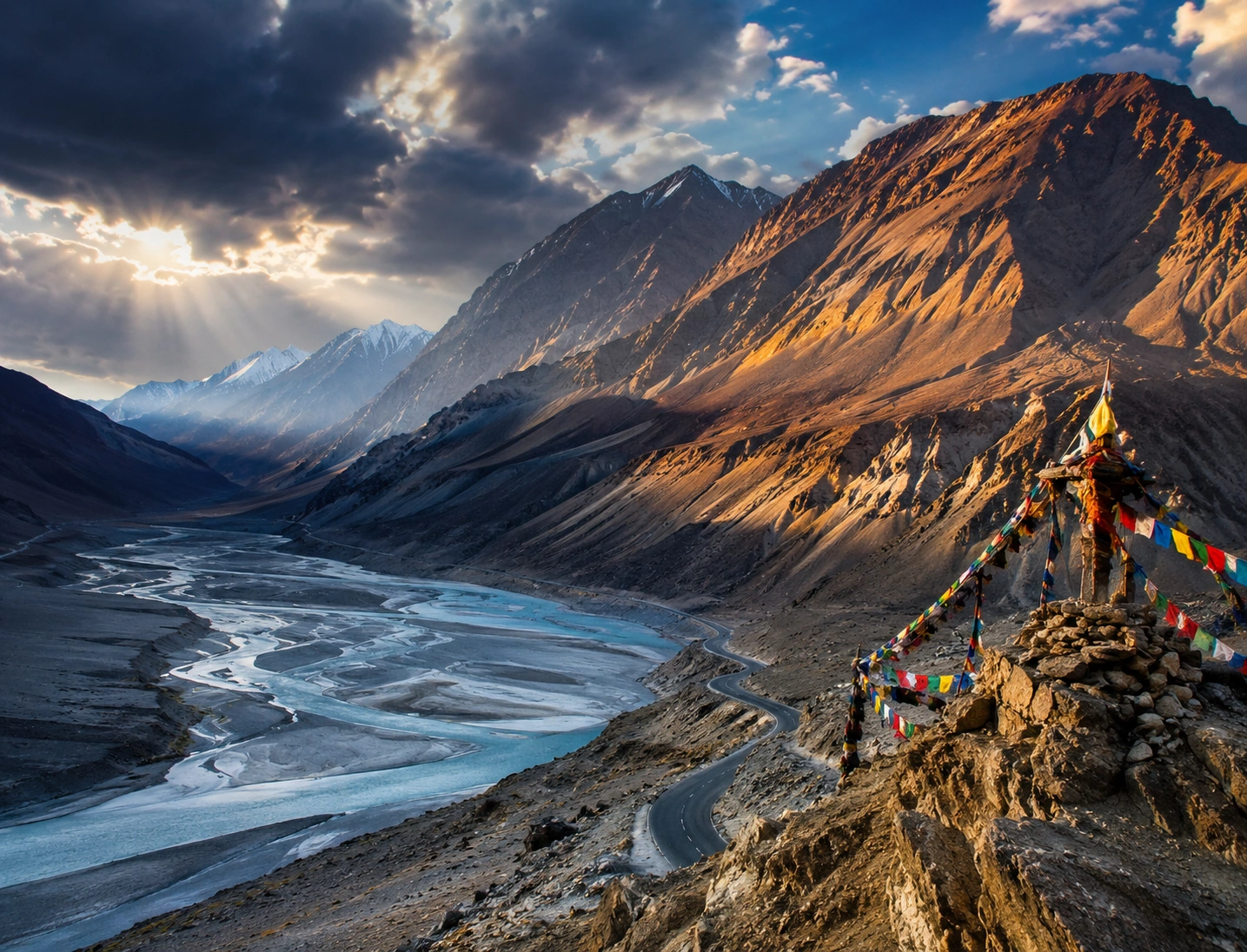
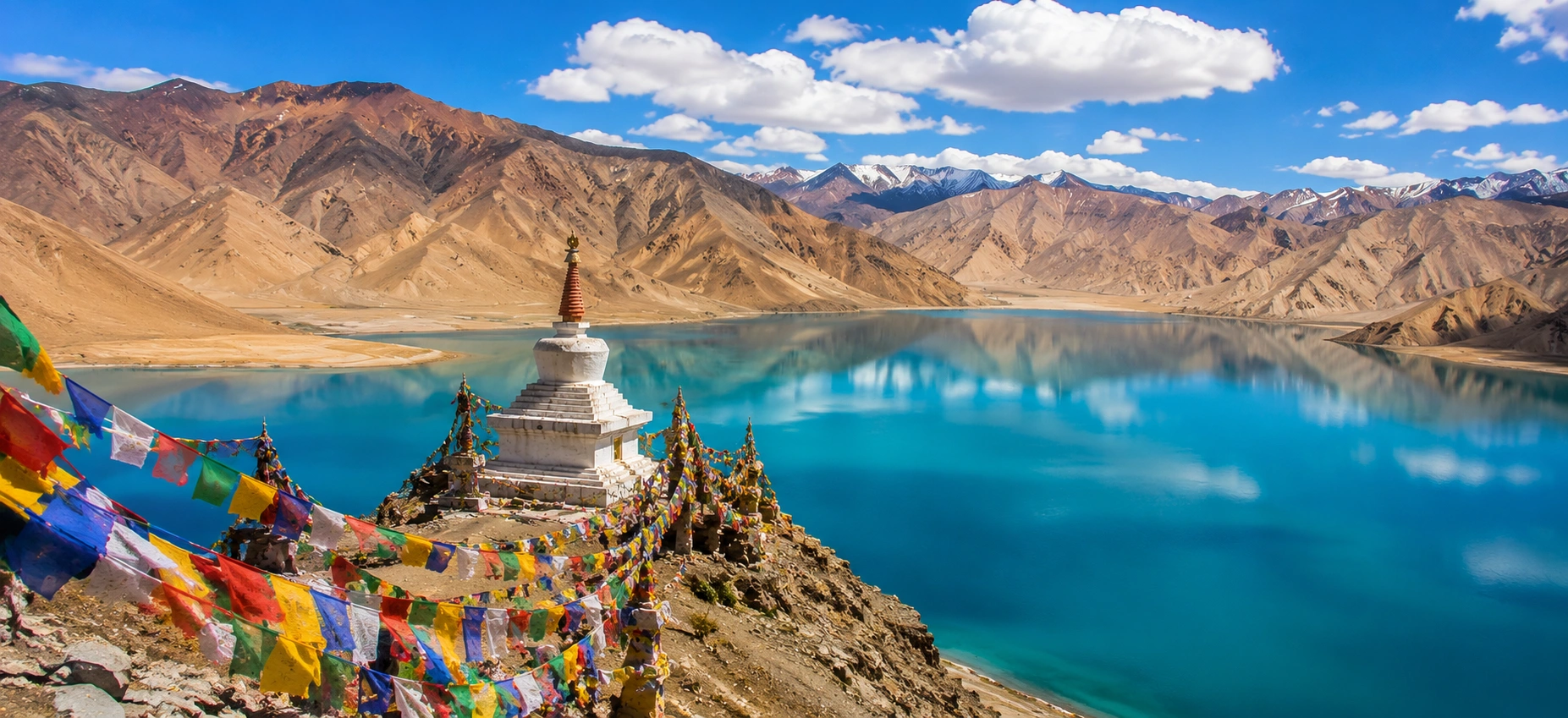
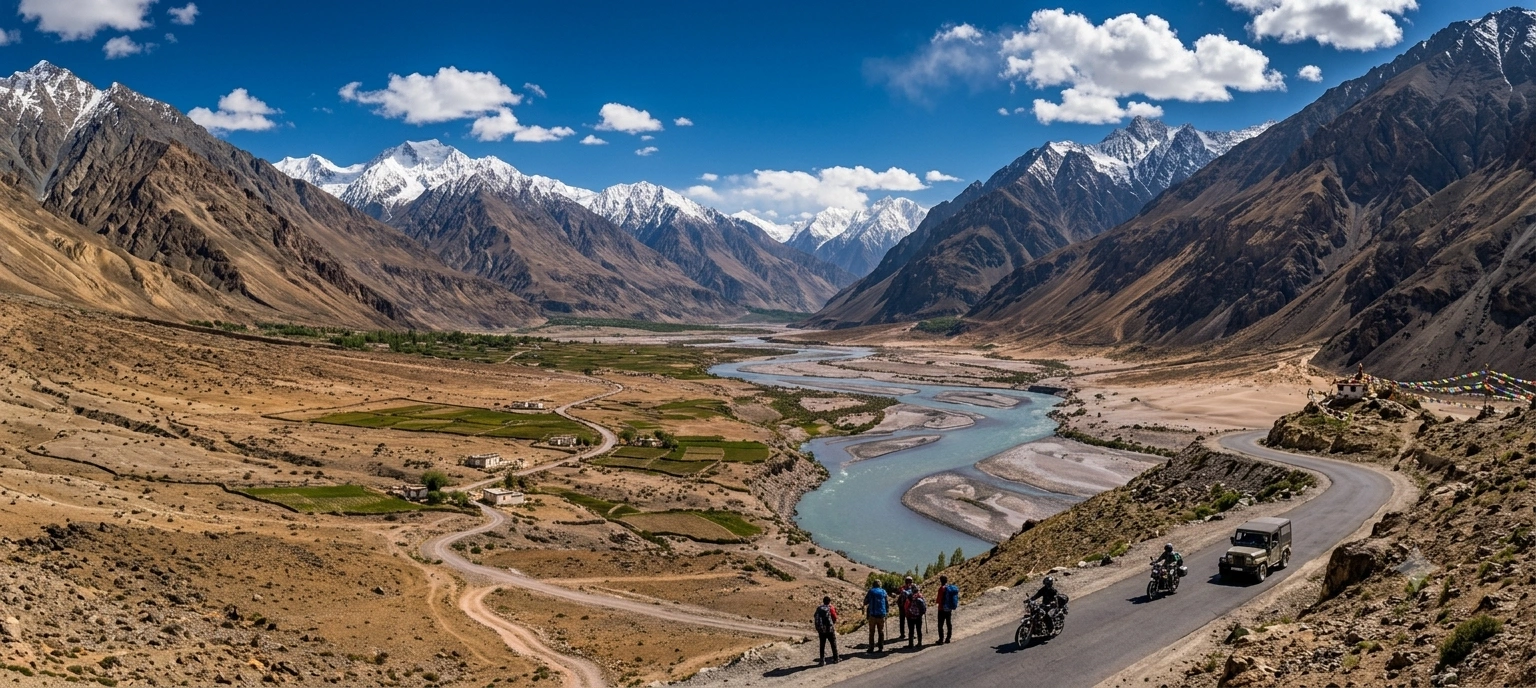
Dramatic mountain landscape — highlights of Ladakh trip

Top Things to See in Ladakh — Complete Highlights Guide

Below are the most iconic, unmissable sights that define every unforgettable Ladakh itinerary — chosen by our guides for their cultural, natural, and experiential significance.

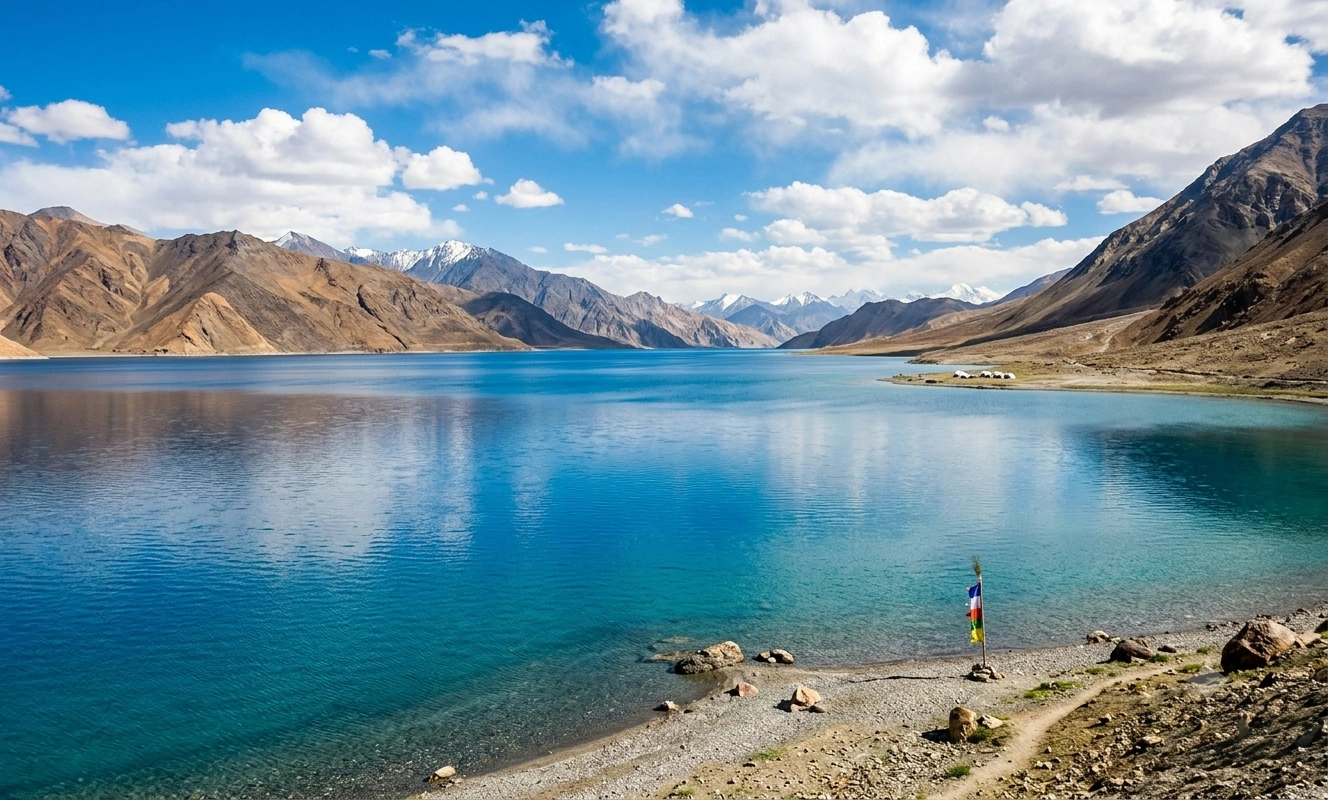
Pangong Tso Lake — one of the top highlights of Ladakh trip 01

Pangong Tso Lake

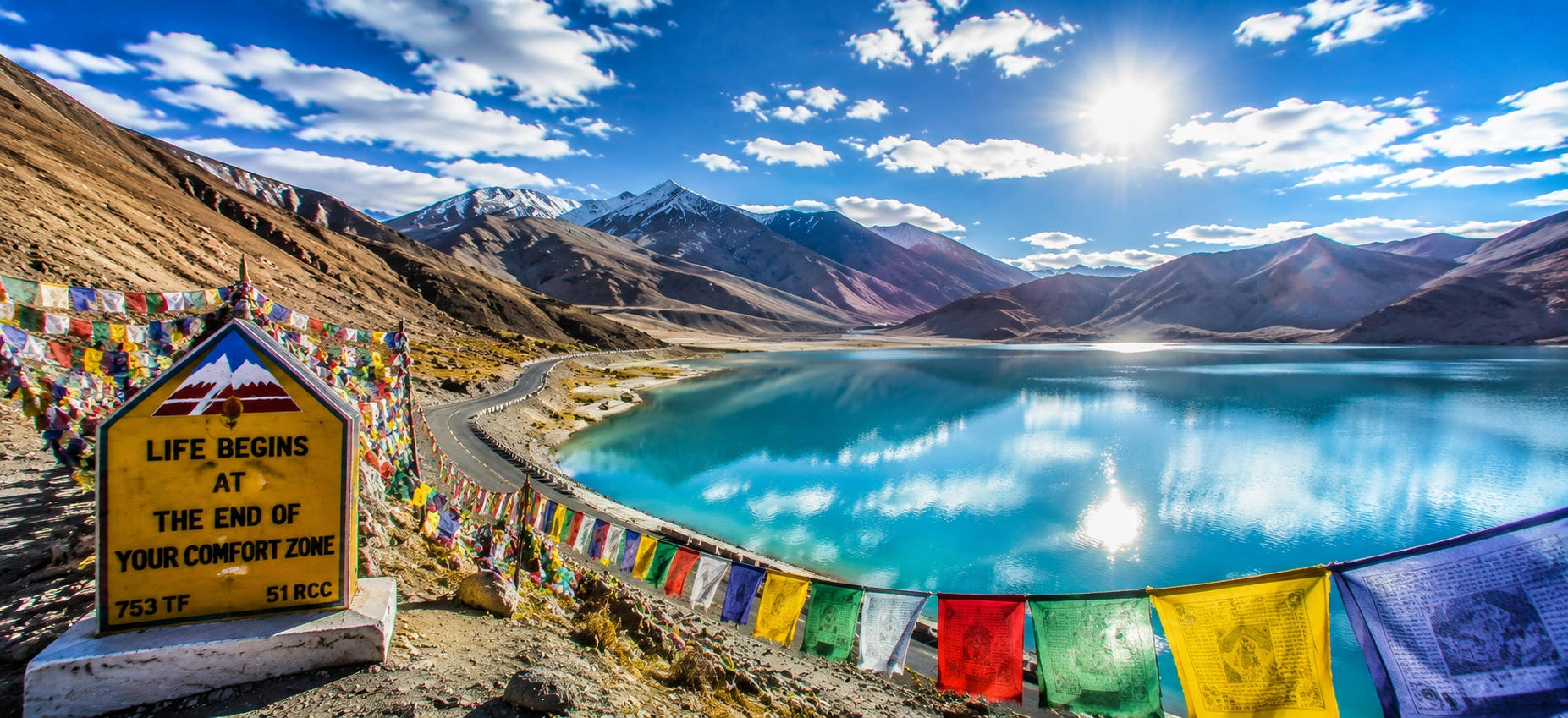
Straddling the India–China border at 4,350 m, Pangong Tso is arguably the single most iconic sight in Ladakh. The lake shifts through an astonishing palette of blues and greens throughout the day. Our guided camps on the southern bank give you sunrise access that day-trippers simply cannot experience.

High-Altitude Lake · 4,350 m
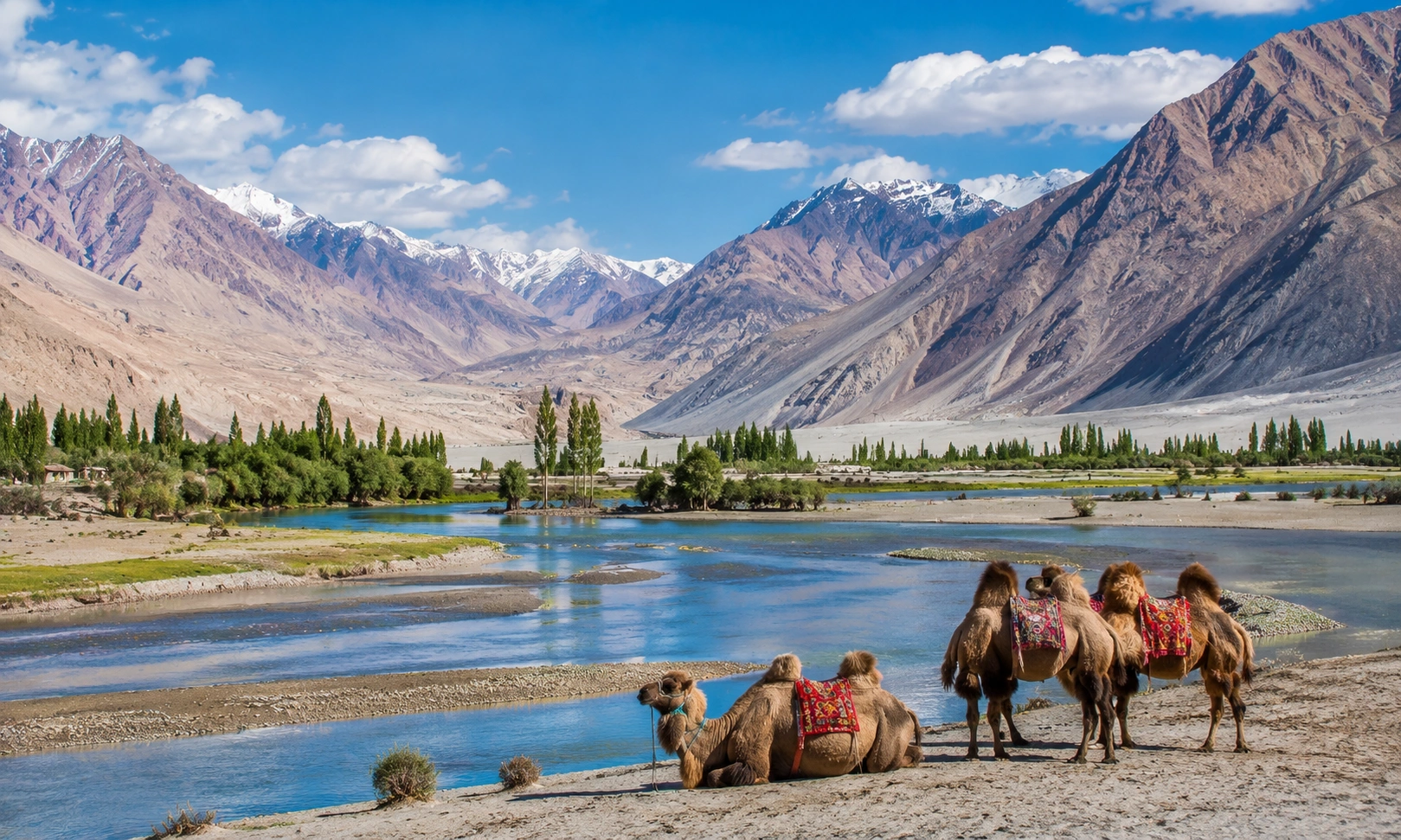
Nubra Valley double-hump Bactrian camels — Ladakh highlights 02

Nubra Valley

Cross the legendary Khardung La Pass (5,359 m) to reach a surreal sand-dune landscape where Bactrian camels roam against a backdrop of snow-capped peaks. Nubra is equally celebrated for the Diskit and Samstanling monasteries perched dramatically above the valley floor.

Desert Valley · 3,048 m
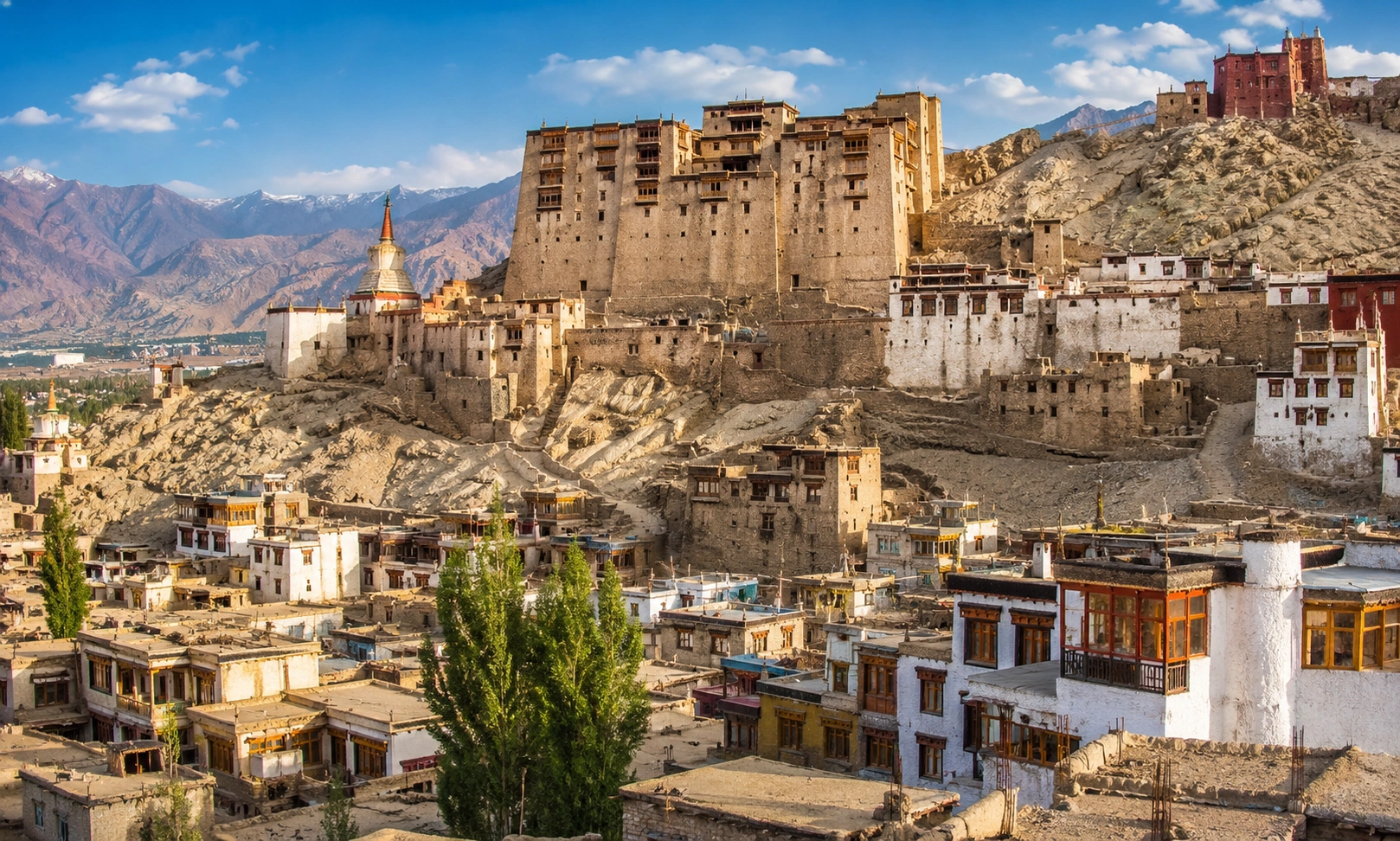
Leh Palace — a top thing to see in Ladakh 03

Leh Palace & Old Town

The 17th-century Leh Palace dominates the old city skyline and offers panoramic views of the Stok Kangri range. Wander through the labyrinthine lanes of old Leh to discover hidden temples, traditional bakeries, and craftsmen preserving centuries-old Ladakhi culture — a walking itinerary our guides love to share.

Heritage · Culture · Leh Heritage Tour ↗
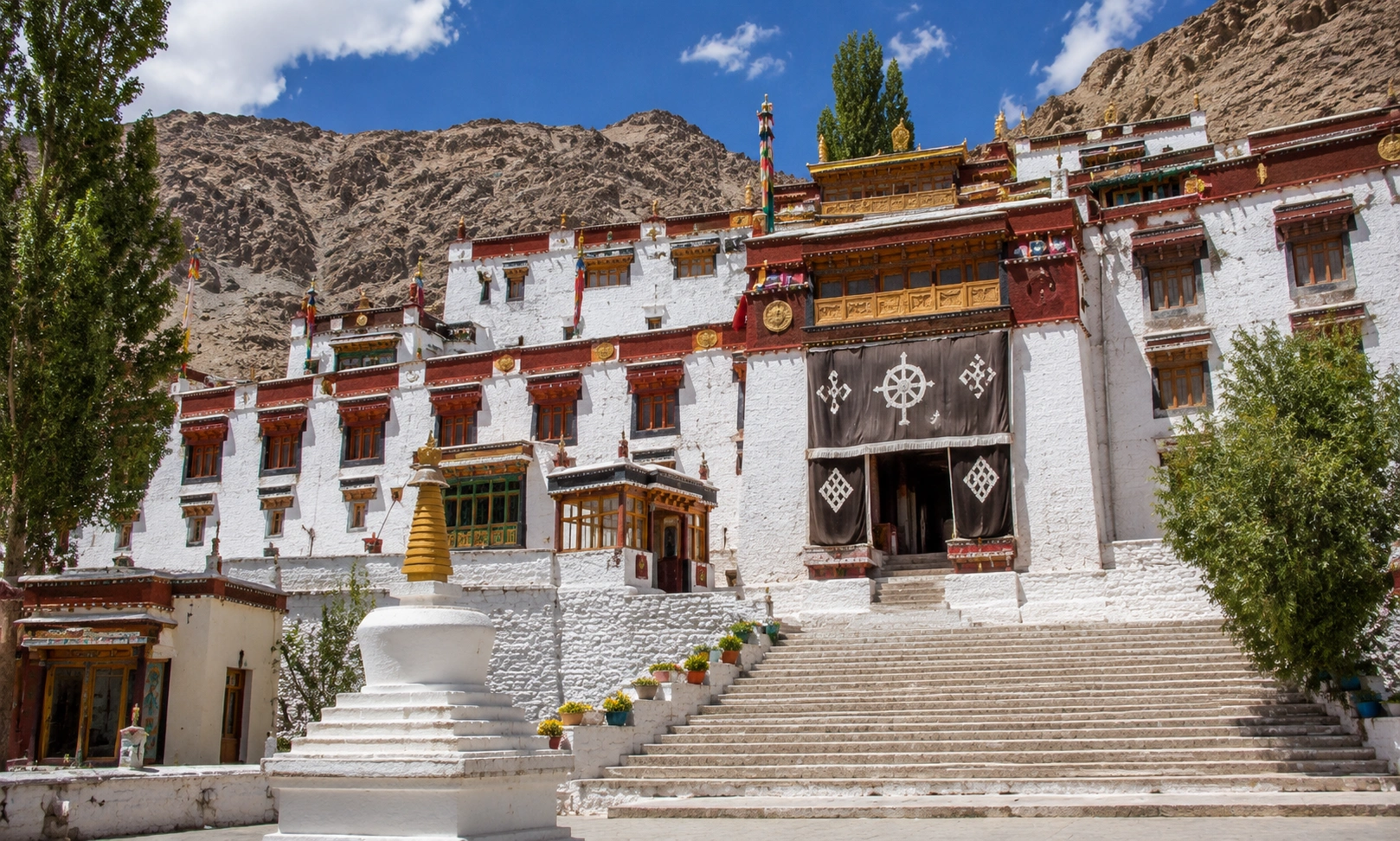
Hemis Monastery Ladakh — must-see Buddhist site 04

Hemis Monastery

The largest and wealthiest monastery in Ladakh, Hemis is home to rare thangka paintings, ancient manuscripts, and the spectacular Hemis Festival (Tsechu) — held every June — where monks perform sacred masked dances (Cham). Our seasonal tours are timed to coincide with this once-a-year spectacle.

Buddhism · Cultural Festival
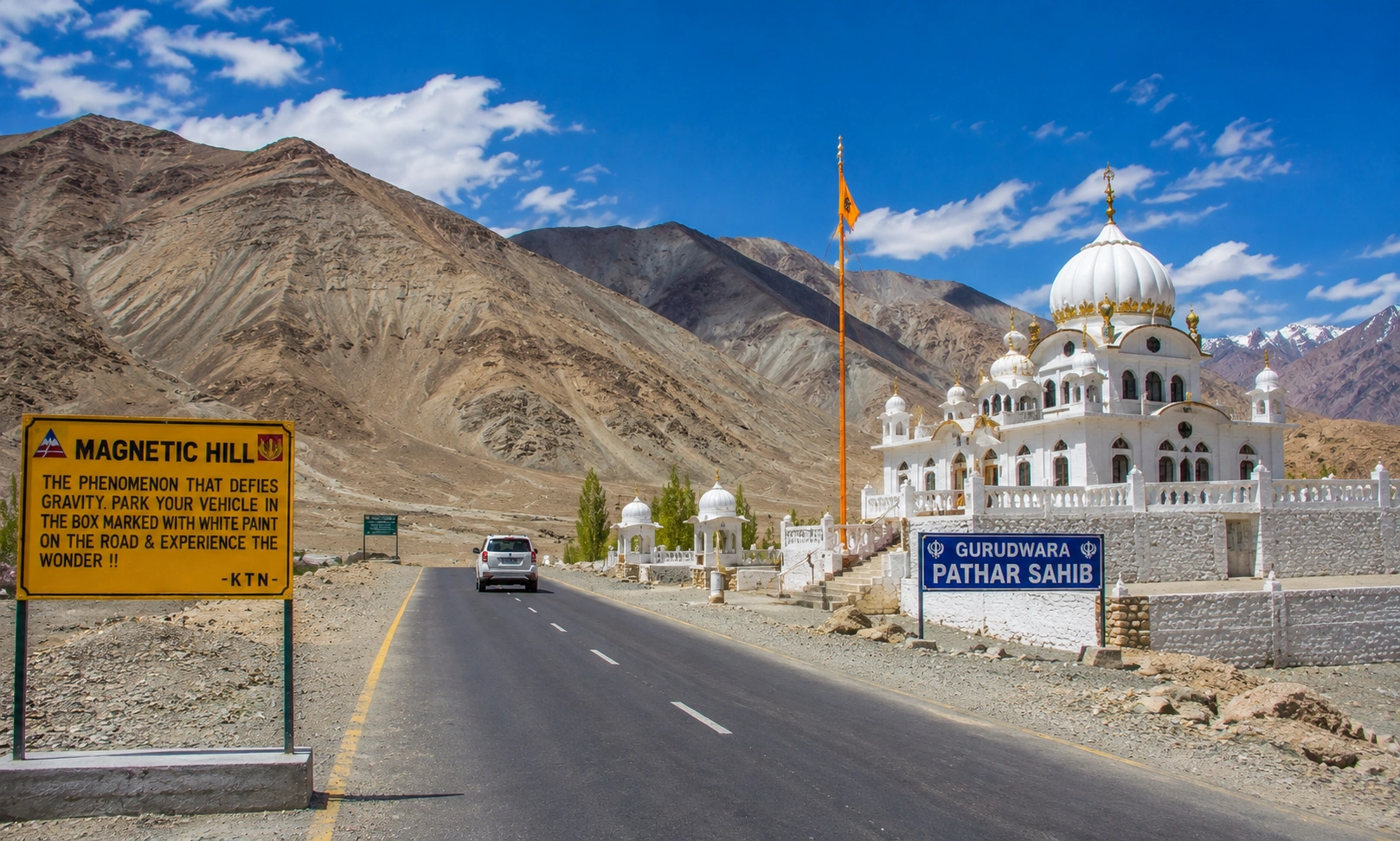
Magnetic Hill Ladakh — gravity-defying road 05

Magnetic Hill & Gurudwara Pathar Sahib

Along the Leh–Kargil highway, the famous Magnetic Hill creates the optical illusion that vehicles roll uphill on their own. Just 3 km away, the sacred Gurudwara Pathar Sahib offers spiritual solace and a warm langar (community meal) — a deeply moving experience that travellers often call a highlight of their entire Ladakh trip.

Landmark · Spirituality
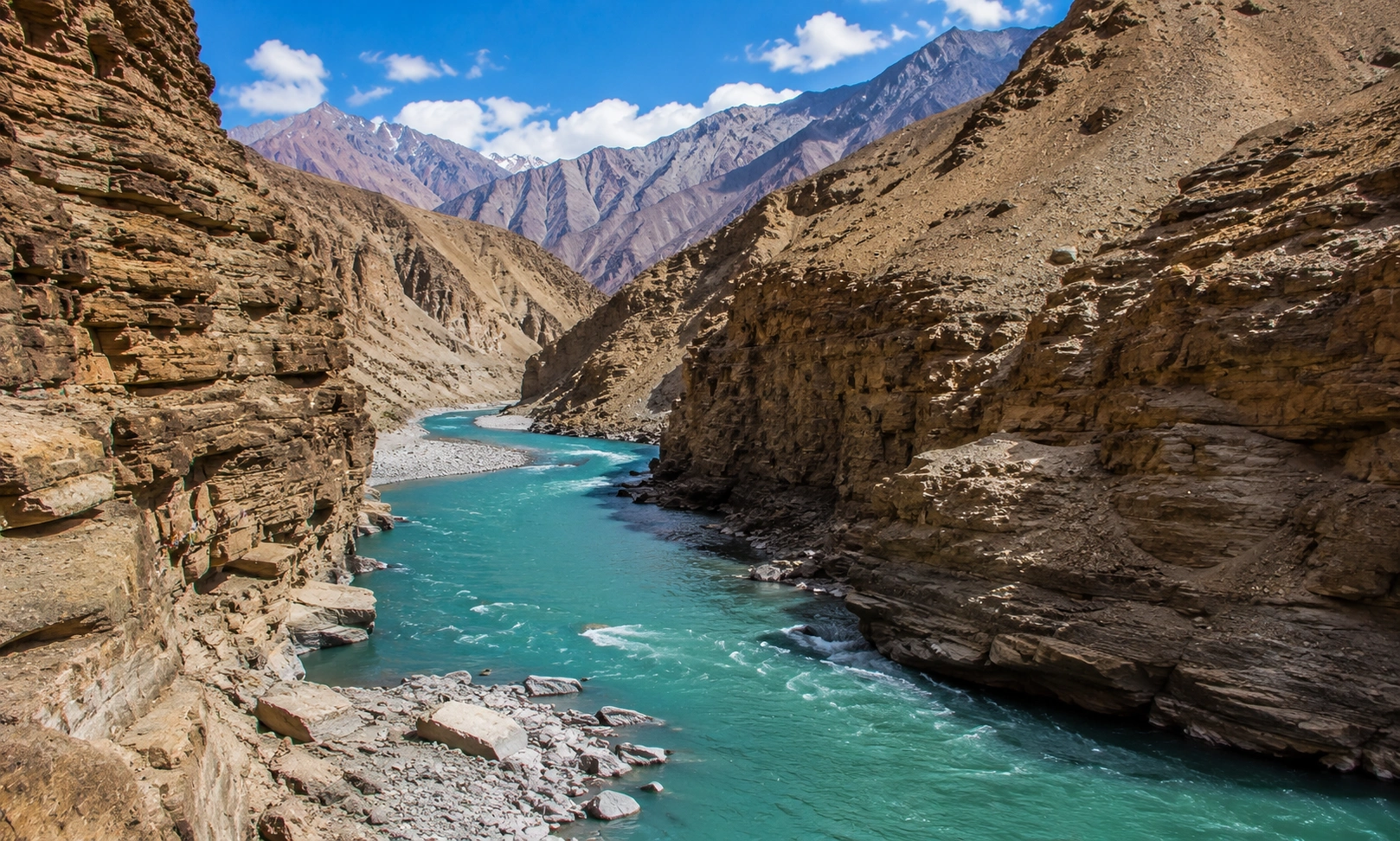
Zanskar River rafting Ladakh 06

Zanskar River & Gorge

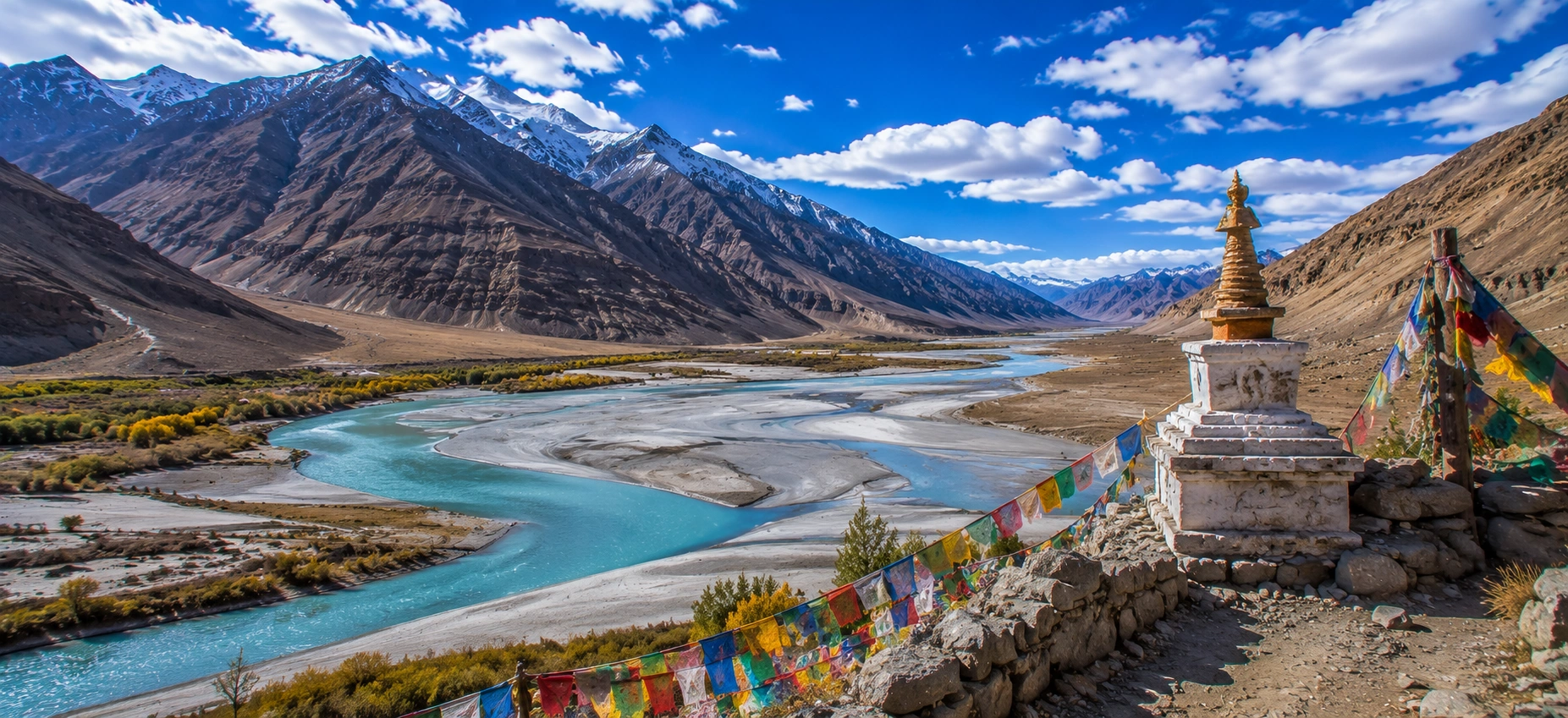
The Zanskar cuts through one of the deepest gorges on Earth, offering world-class white-water rafting in summer and the legendary Chadar Trek across its frozen surface in winter. As a specialist in Zanskar expeditions, we offer both experiences with full safety equipment and expert guides.

Adventure · Rafting · Chadar Trek ↗

The Zanskar Kanishka Difference

Choosing the right operator transforms a good Ladakh trip into an extraordinary one. Here is why thousands of Indian travellers trust us year after year.

🏠

Deep Local Roots

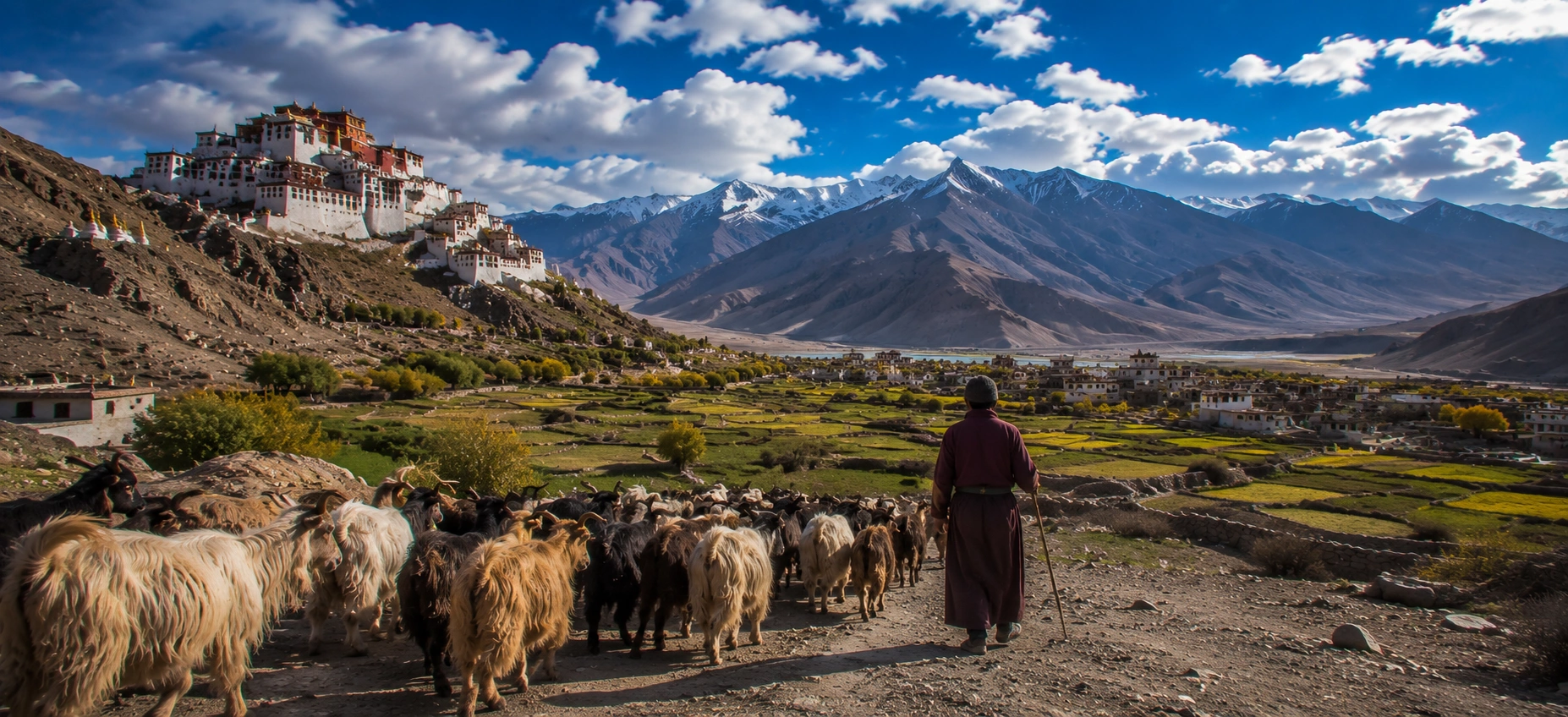
Our founders and lead guides were born in Ladakh. That means authentic access to villages, festivals, and landscapes that generic tour packages never reach.

🛡️

Safety-First Expeditions

All our high-altitude treks include acclimatisation days, oxygen equipment, and guides certified in Wilderness First Aid — [Add certification body here].

🗓️

Fully Customisable Tours

From 5-day classic Leh circuits to 21-day Zanskar-Nubra grand expeditions, every itinerary is tailored to your travel style, fitness level, and budget.

🌱

Responsible Tourism

We partner with local homestays, hire exclusively from Ladakhi communities, and follow Leave No Trace principles on all treks. Travel that gives back to the land that gives so much.

💬

Verified Traveller Reviews

"The best decision of our trip was booking with Zanskar Kanishka. The local knowledge was unmatched." — [Traveller Name, City] · ⭐⭐⭐⭐⭐

📞

24/7 On-Ground Support

Once in Ladakh, our local team is reachable around the clock for any changes, emergencies, or spontaneous detours you want to take.

Everything You Need Before You Go

Best Time to Visit Ladakh

  • June – September: Peak season — all roads, lakes, and valleys accessible. Ideal for families and first-time visitors.
  • October – November: Fewer crowds, dramatic autumn light, and harvest festivals. Great for photography tours.
  • December – February: Chadar Trek season on the frozen Zanskar River. A once-in-a-lifetime winter expedition.
  • March – May: Early season — monasteries host spring festivals; roads begin to open. Best for budget travellers.

Permits Required for Ladakh

  • Inner Line Permit (ILP) — required for Indian nationals to visit Nubra, Pangong, and Tso Moriri.
  • Protected Area Permit (PAP) — for foreign nationals visiting restricted zones.
  • Zanskar valley entry — no special permit required for Indian nationals currently (subject to change).
  • We handle all permits on your behalf as part of every tour package. Learn about permits →

Acclimatisation Tips

  • Spend your first 2 nights in Leh without major physical activity to allow your body to adjust to 3,500 m altitude.
  • Stay hydrated — drink at least 3–4 litres of water daily during acclimatisation.
  • Avoid alcohol and sedatives in the first 48 hours at altitude.
  • Diamox (acetazolamide) can be prescribed by your doctor as a prophylaxis — consult before travel.

How to Reach Ladakh

  • By Air: Direct flights to Leh (IXL) from Delhi, Mumbai, and Srinagar year-round. The scenic 50-minute Himalayan approach alone is worth the journey.
  • By Road: Manali–Leh Highway (open June–October, ~2 days) or the historic Srinagar–Leh Highway via Zoji La Pass.
  • We offer airport transfers, vehicle hire, and self-drive support for all arrival options.

Your Ladakh Trip Questions Answered

What are the top highlights of a Ladakh trip?

The top highlights of a Ladakh trip include Pangong Tso Lake, Nubra Valley, Leh Palace, Magnetic Hill, Hemis Monastery, Khardung La Pass, and the Zanskar River gorge. Each offers a completely different facet of Ladakh — from spiritual culture to extreme adventure to breathtaking natural scenery.

How many days do I need to see the key things in Ladakh?

A minimum of 7 nights / 8 days is recommended to comfortably cover the main highlights including Leh, Pangong, and Nubra with proper acclimatisation. For a deeper experience including Zanskar, allow 12–15 days. View our sample itineraries →

Is Ladakh safe for solo travellers and families?

Yes — Ladakh is one of India's safest travel destinations, with a low crime rate and warm, welcoming communities. With Zanskar Kanishka Expeditions, you benefit from 24/7 on-ground support and experienced local guides for complete peace of mind.

What is the best season to experience Ladakh's highlights?

June to September is the ideal window when all roads are open, lakes are accessible, and the weather is clear. Winter (Dec–Feb) is uniquely spectacular for the Chadar Trek. Each season reveals a different character of Ladakh's landscape.

What makes Zanskar Kanishka Expeditions different from other Ladakh tour operators?

Our guides are native Ladakhis with generations of knowledge about the terrain, culture, and people. We offer fully customisable tours, handle all permits, and prioritise responsible, community-first tourism — giving travellers an authentic experience that generic packages simply cannot provide.

Ready to Experience the Highlights of Ladakh?

Let Zanskar Kanishka Expeditions craft your perfect Ladakh journey — tailored, local, and unforgettable.

Explore Tour Packages Find Us on Google Maps
We introduce different expeditions for the all kind of tourists depending on the time, budget and interest of guests We offer a...

Copyright © 2017 - zanskarkanishkaexpeditions - All rights reserved.